The Yalta Conference: decisions and historical consequences
of reading - words
The Yalta Conference, which took place from February 4 to 11, 1945, remains a key event in world history. This historic meeting, bringing together the leaders of the main Allied powers, not only marked the end of the Second World War but also outlined the broad outlines of post-war geopolitics. Understanding the decisions taken during this meeting can shed light on many aspects of our contemporary world.
Background of the Yalta conference
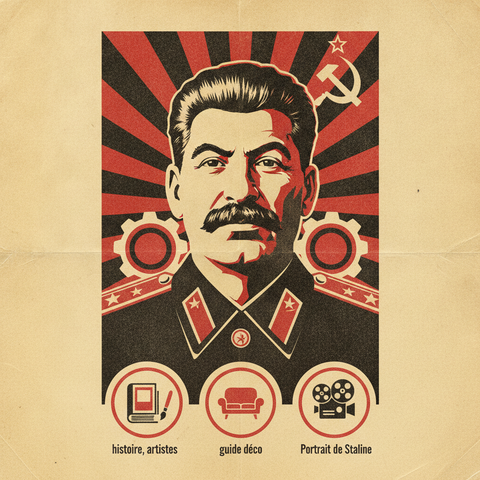
As the end of World War II approached, the Allies recognized the need for coordination to ensure lasting peace. The conference was held in Yalta, a resort town on the Black Sea, chosen in part for its location accessible to Joseph Stalin, then leader of the Soviet Union.
Tensions between the Allies were already beginning to manifest, each having their own expectations regarding the fate of Germany and the reconstruction of Europe. The powers present - Winston Churchill for the United Kingdom, Franklin D. Roosevelt for the United States and of course Joseph Stalin for the Soviet Union - therefore had divergent interests to negotiate.
Main Allied Objectives
Each country had different goals at heart at Yalta. For Stalin, the imperative was to ensure the security of the Soviet Union through the establishment of favorable governments in Eastern Europe. Churchill sought to maintain the British Empire and counter Soviet influence. For his part, Roosevelt wanted to establish an international organization dedicated to peace, a prelude to the United Nations. The debate on the Treaty of Yalta still reflects these crucial issues today.
Another crucial issue was the fate of Germany. The common intention was to avoid any resurgence of German militarism while ensuring an effective administrative division of the defeated territory.
Key decisions taken at Yalta
Several significant agreements emerged from these discussions. First, the “fate of Germany” was determined with the decision to divide the country into occupation zones controlled by the Allied forces: American, British, French and Soviet. This division was to guarantee effective surveillance and dismantling of Nazi military infrastructure.
There was also agreement on the reparations that Germany would have to pay, although this point is subject to varying interpretations among the Allies. Stalin obtained the promise of significant reparations, necessary according to him for the reconstruction of the vast Soviet territories devastated by the war.
Impacts on Eastern Europe
The Yalta Conference also endorsed the Soviet Union's domination of Eastern Europe. Stalin proposed the establishment of "friendly governments" in Poland and elsewhere, a vague formula that would allow him to establish communist regimes loyal to Moscow.
In return, Stalin agreed to join the war against Japan three months after the German surrender, thus providing much-needed Soviet support for American forces in the Pacific.
Birth of the Cold War
One of the most lasting results of the Yalta conference was undoubtedly the gradual establishment of the cold war. The Yalta Accords are often seen as having established the basis for a division of the world that would pit the capitalist West and the communist East against each other for several decades.
Although relations between the Allies initially remained cordial, soon ideological and political differences