The Katyn massacre: a dark chapter in European history
of reading - words
In the midst of the Second World War, a tragic event occurred in the Katyn forest. THE Katyn massacre remains one of the darkest episodes of this tumultuous period. Killing all hope of justice for thousands of Polish families, it forever symbolizes the abuses and lies orchestrated under the Stalinist yoke in Soviet Union. Let's explore together how this war crime has shaped our understanding of human cruelty in times of conflict.
Historical context of the Katyn massacre
In order to fully understand what happened in Katyn, it is essential to look back at the geopolitical situation at the time. In 1939, Europe was in turmoil. German forces advance quickly, and for their part, the Soviets take advantage of the opportunity to seize a significant part of eastern Poland. This occupation marks the beginning of terror for thousands of Polish officers, captured by the NKVD, the Soviet secret police.
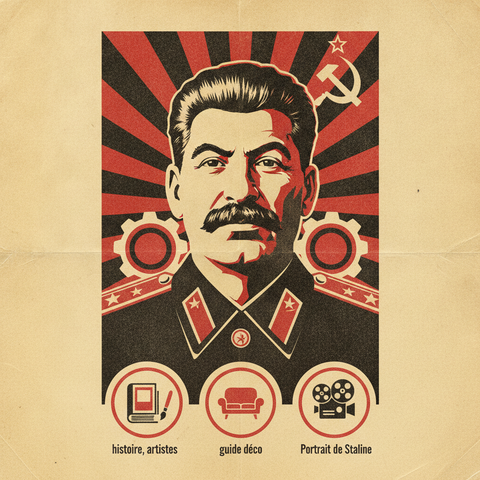
Stalin, leader of theSoviet Union, wanted to eliminate any potential resistance. For him, Polish officers represented an imminent threat to his expansionist ambitions. This is why, in the spring of 1940, a near-genocidal decision was taken. The arrested Polish citizens were considered enemies of the state, paving the way for the Katyn massacre. Also discover a variety of Che Guevara figurines to relive parts of communist history through captivating collectibles.
NKVD planning mechanisms
The massacre was not the work of a disorganized impulse. It was the result of a meticulously orchestrated plan by the NKVD, by direct order of Stalin. The stated goal? Eradicate Polish military elites to neutralize their future influence. Logistical preparations were put in place to discreetly transport the prisoners to various execution sites including the infamous Katyn Forest.
From April 1940, around 22,000 prisoners, mainly officers but also intellectuals and professionals, were methodically executed. The men were shot in the back of the head, a modus operandi that became a signature of the NKVD. This mass grave, which would be discovered much later, was overflowing with corpses piled up unceremoniously, testifying to the extent of the barbarity committed.
The discovery of the Katyn mass grave
As the conflict progresses, the political landscape evolves. In 1943, as the Nazis lost ground against the Allies, they chanced upon the Katyn mass grave during excavations undertaken by their troops. Seeking to tarnish the image of the Soviet Union, they immediately organized a propaganda campaign. Ironically, this cynical act ended up shedding harsh light on this massacre that had long remained hidden.
However, the Nazi accusation was initially greeted with skepticism by the Western Allies. Indeed, aligning their policy against Stalin was not possible in a strategic perspective where theSoviet Union remained an indispensable ally against Hitler. But despite this political reluctance, it became increasingly difficult to ignore the grisly evidence coming directly from the excavation sites.
International involvement and the cover-up of the massacre
Of course, the revelation of the facts would have had colossal repercussions. Especially since Stalin categorically denies any involvement in this massacre, systematically blaming the Germans. By backing away from direct confrontation, American and British political leaders decided to temporarily bury the scandal, preferring to preserve the fragile unity of the Allied forces rather than seeking the truth immediately.
It was only after the end of the war that thorough investigations would allow the official recognition of Soviet responsibility, a crucial step for the definitive establishment of the historical truth. In the post-war era, many bereaved families will seek reparations, leading to a global sense of condemnation of communist atrocities.
Myths and truths around the Katyn massacre
Over the decades, the Katyn massacre has sparked numerous debates and controversies. The iron curtain that stifled true responsibilities is slowly beginning to lift thanks to the combined efforts of families and historians determined to bring the truth to light. Multiple pieces of evidence, previously hidden or ignored, support testimonies evoking Soviet brutality.
However, even today, certain groups continue to maintain doubt through political opportunism or radical negationism. These myths persist despite now declassified documents which unequivocally confirm the direct involvement of the Stalinist authority in the organization of the massacre. Explore more about this fascinating topic with a diverse selection of historical articles, including figurines inspired by the communist movement.
Contemporary consequences for Russian-Polish relations
The memorial conflict linked to Katyn remains alive between Russia and Poland, even impacting current diplomatic relations. Many Poles are demanding full public recognition and formal apologies from the Russian authorities. If the glasnost initiated by Gorbachev at the end of the 1980s gave hope for change, the official Russian position often remains fluctuating on this sensitive issue.
The Katyn affair still regularly poisons bilateral trade. Because far from simply being a subject of History relegated to school textbooks, it still represents for many in Poland the incessant struggle to restore the flouted honor of their unjustly sacrificed ancestors. This perpetual demand for memory remains deeply anchored today within new generations, a living symbol of a battered national identity.
The Katyn massacre in popular culture
Apart from the academic domain, the Katyn massacre also massively penetrated the European collective consciousness via various artistic and media supports. Cinema, literature and other narrative forms support the essential duty of memory to be transmitted tirelessly to future generations. The film "Katyn" directed by Andrzej Wajda poignantly illustrates this family tragedy experienced by so many tested hands coupled with unwavering courage in the face of blatant injustice.
The dramatic production capturing the raw fear felt by those who have lost a loved one thus allows for a strong symbolic representation of the martyrdom endured collectively. Another poignant example, countless works triumph through their ability to convey a masterful literary voice, beyond the simple factual! Each of these initiatives fundamentally seeks not only to honor the victims with dignity, but above all to sustainably inspire the universal adoption of essential humanist values.
Role of annual commemorations
Throughout the world, annual ceremonies are held to commemorate the memory of the victims of the Katyn massacre. They bring together individuals and afflicted communities to observe a solemn moment of shared contemplation. These events represent a crucial means of keeping the flame of memory alive, thus preventing any possibility of collective amnesia linked to this significant episode.
Several monuments dedicated to murdered Polish martyrs now dot European territory, clearly illustrating the symbolic importance given to Katyn as an indivisible pillar in the fight against historical oblivion. This vibrant tribute perfectly reflects the indomitable resilience displayed by those ready to take up the ongoing challenge of cultivating together a constructive peace resolutely focused on the future.